
About Race
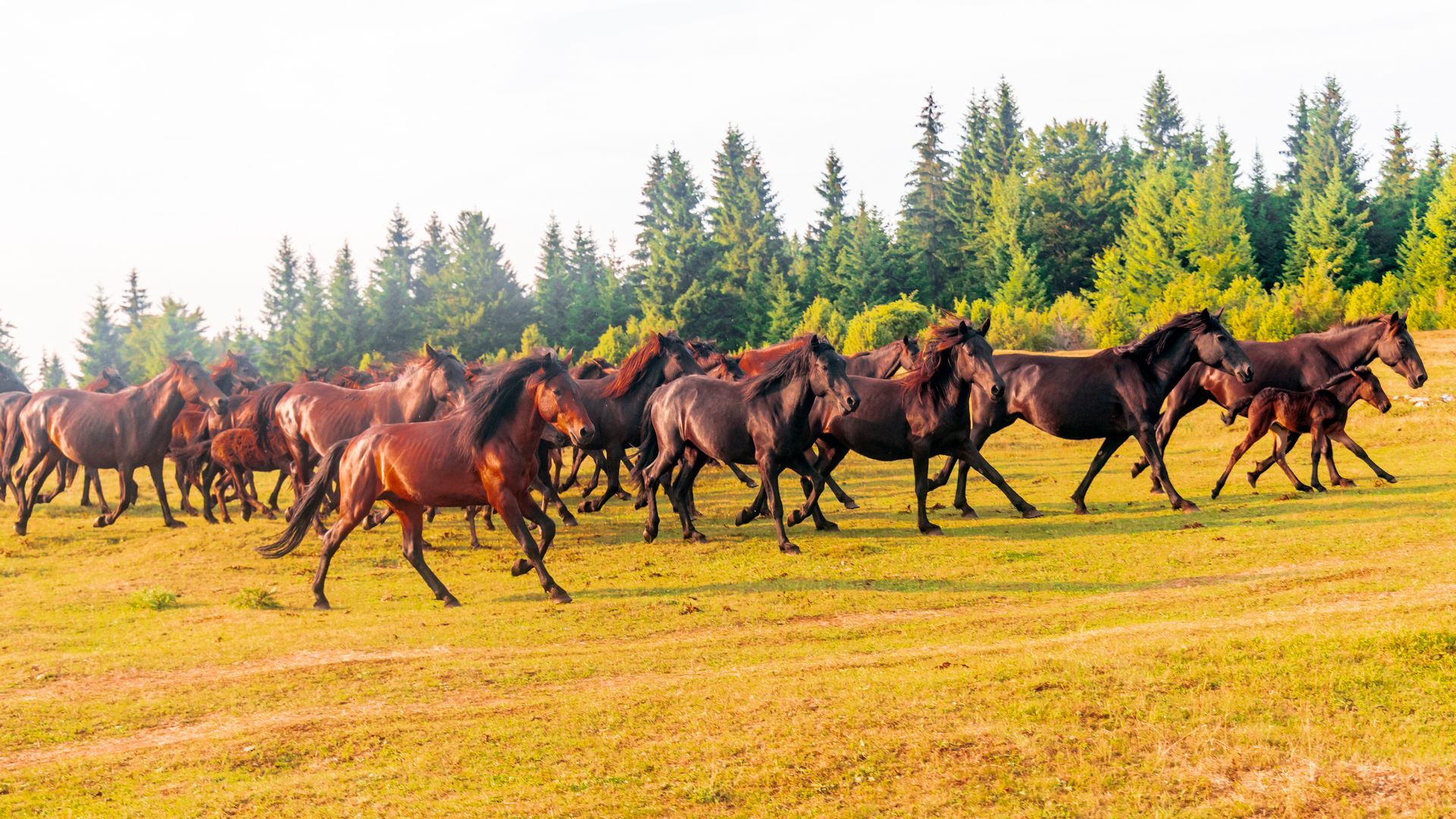
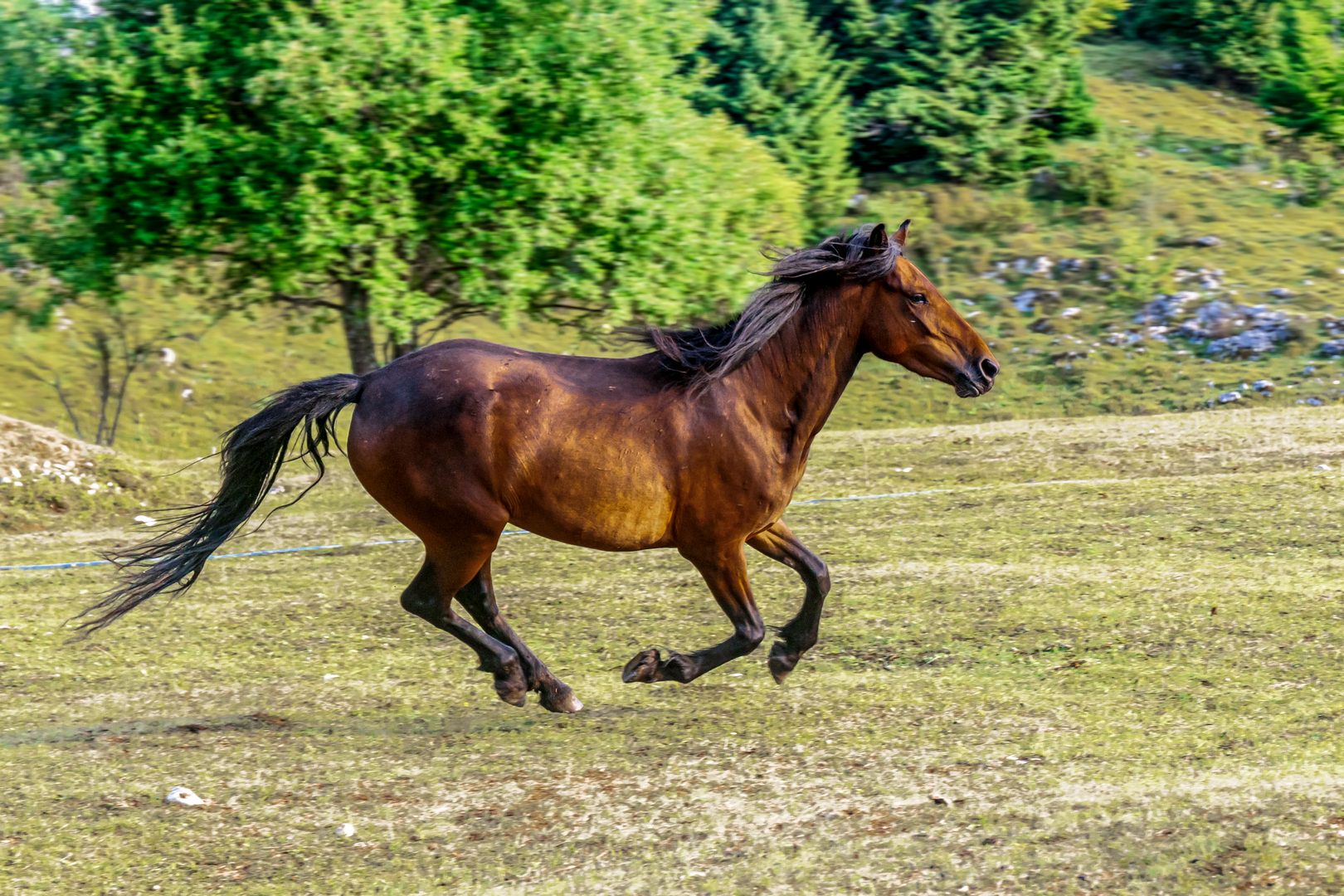
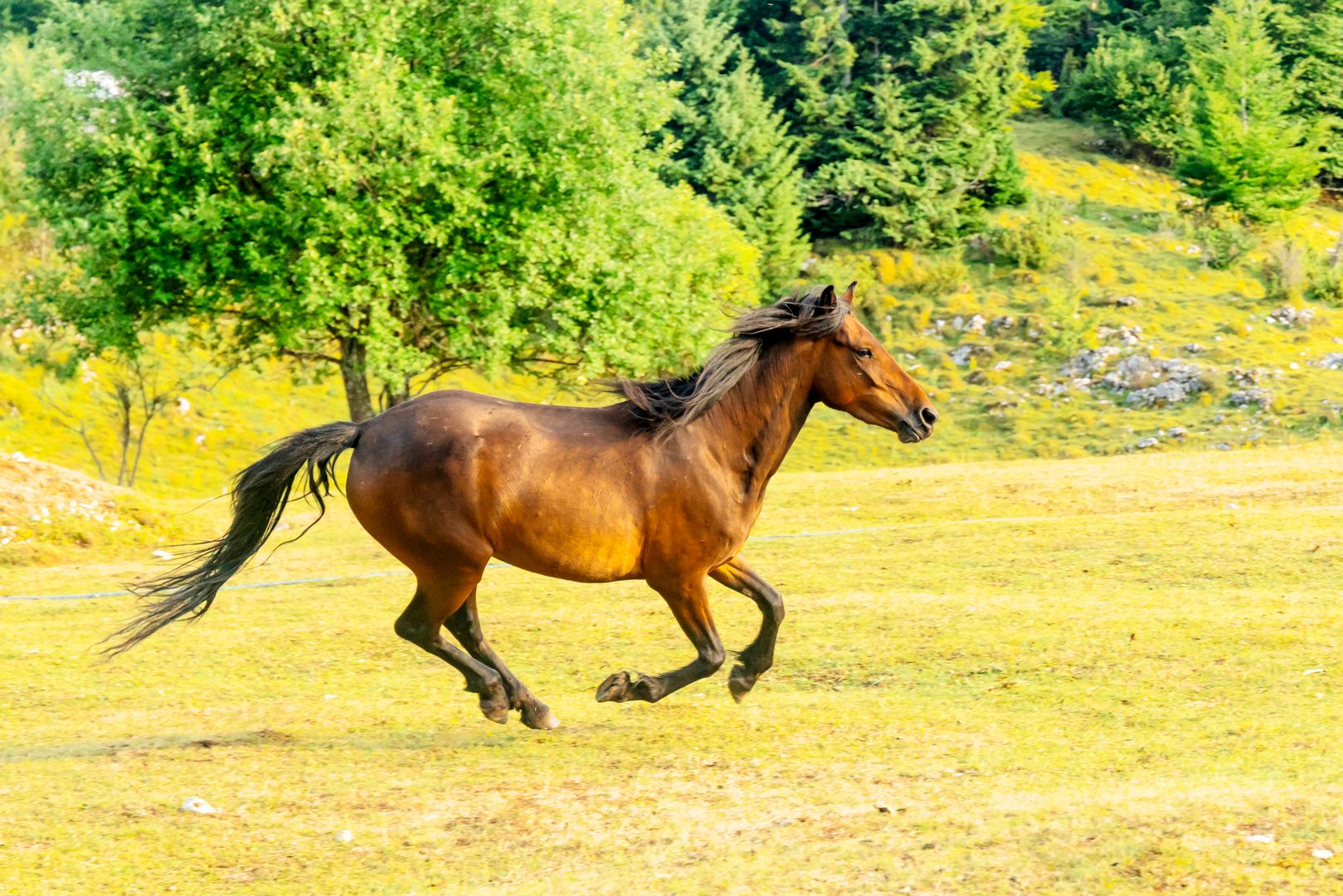
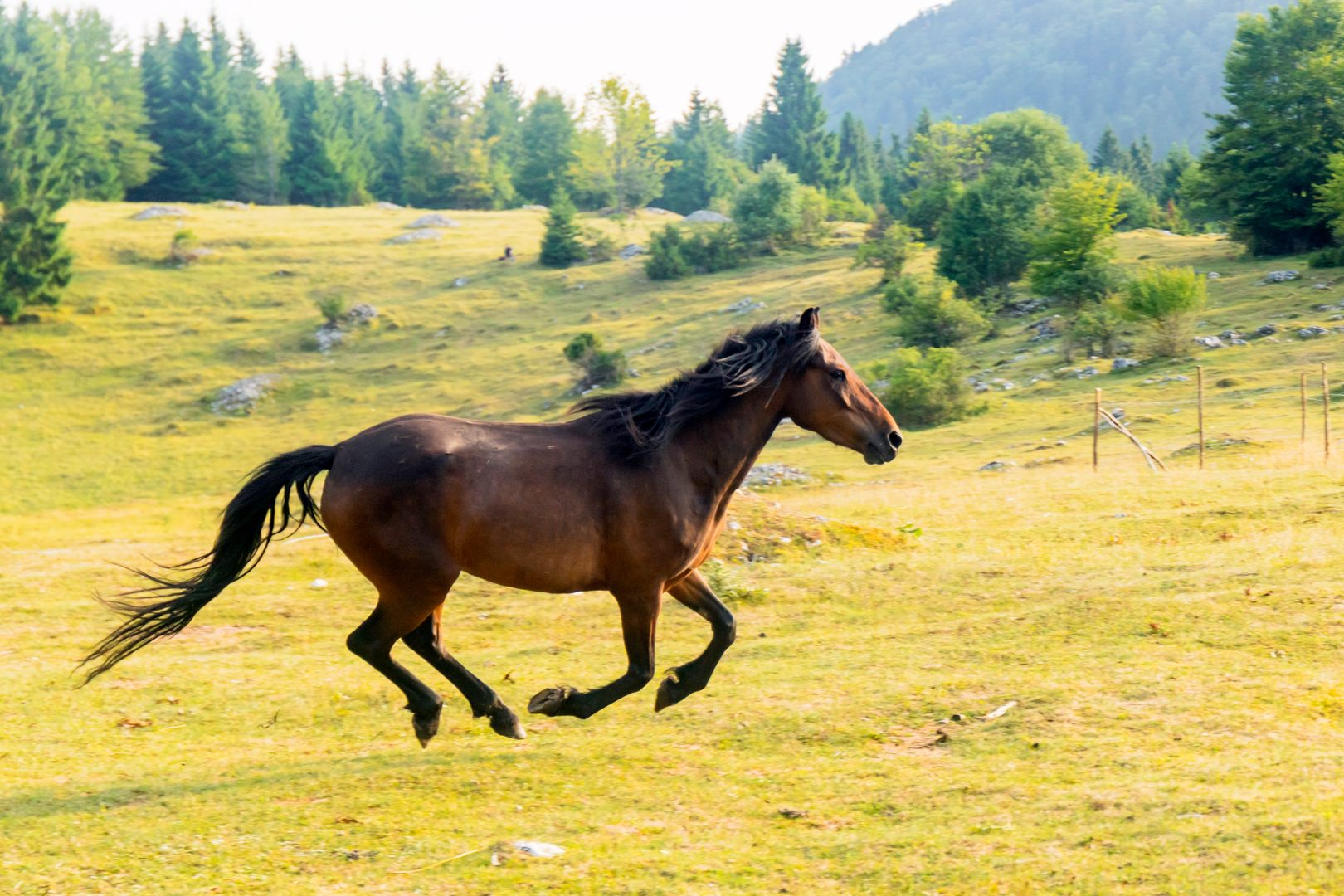
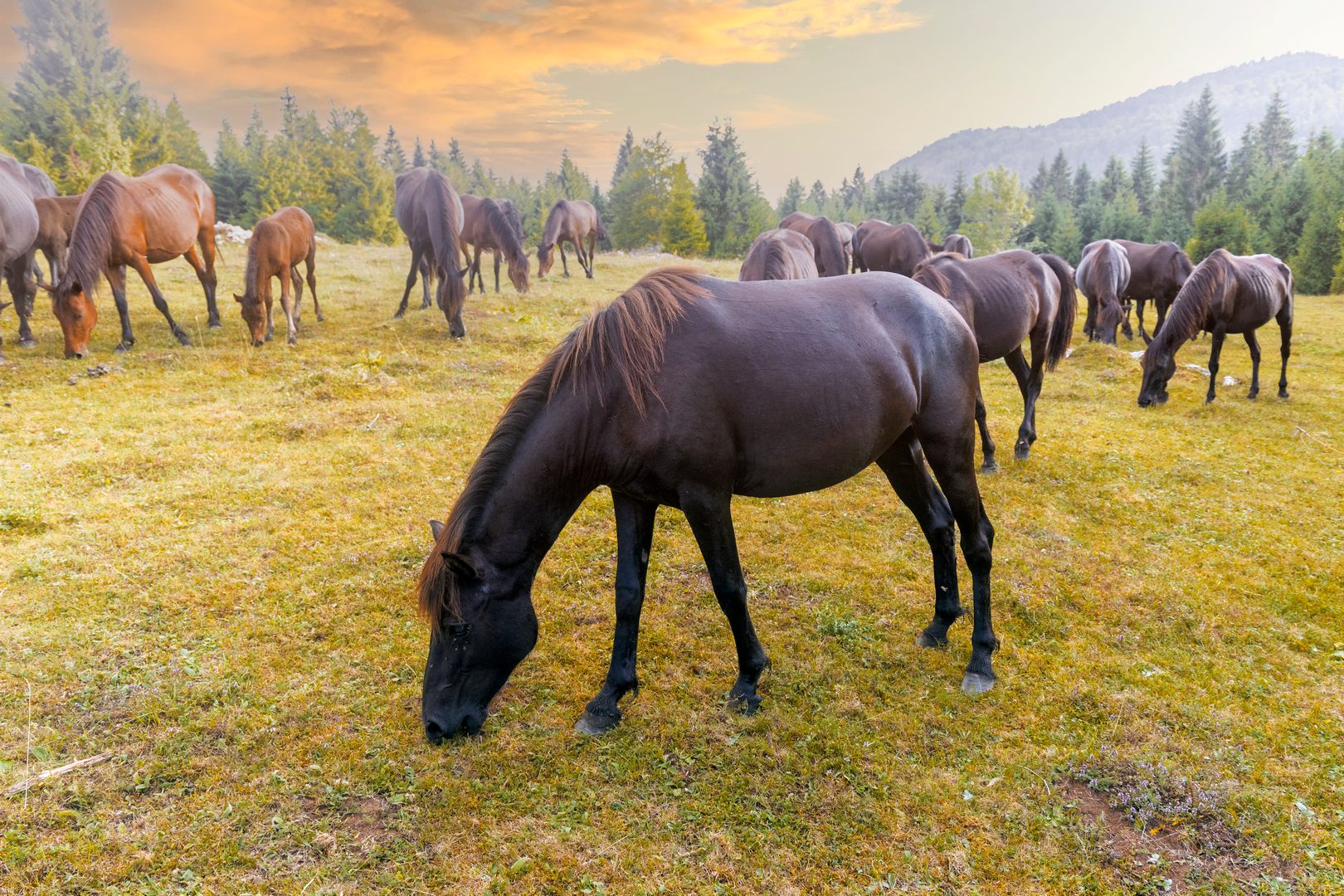
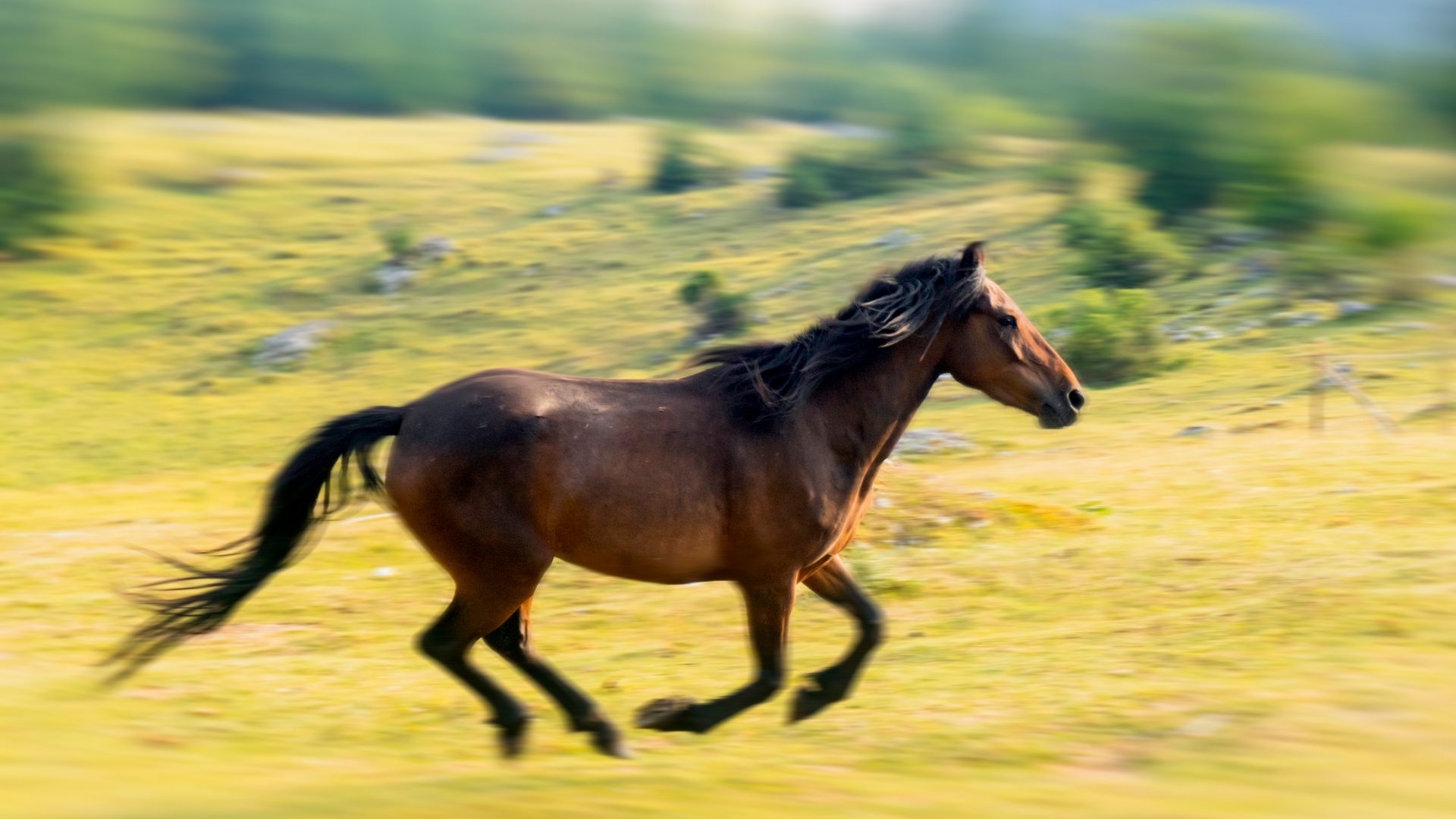
THE BOSNIAN MOUNTAIN HORSE
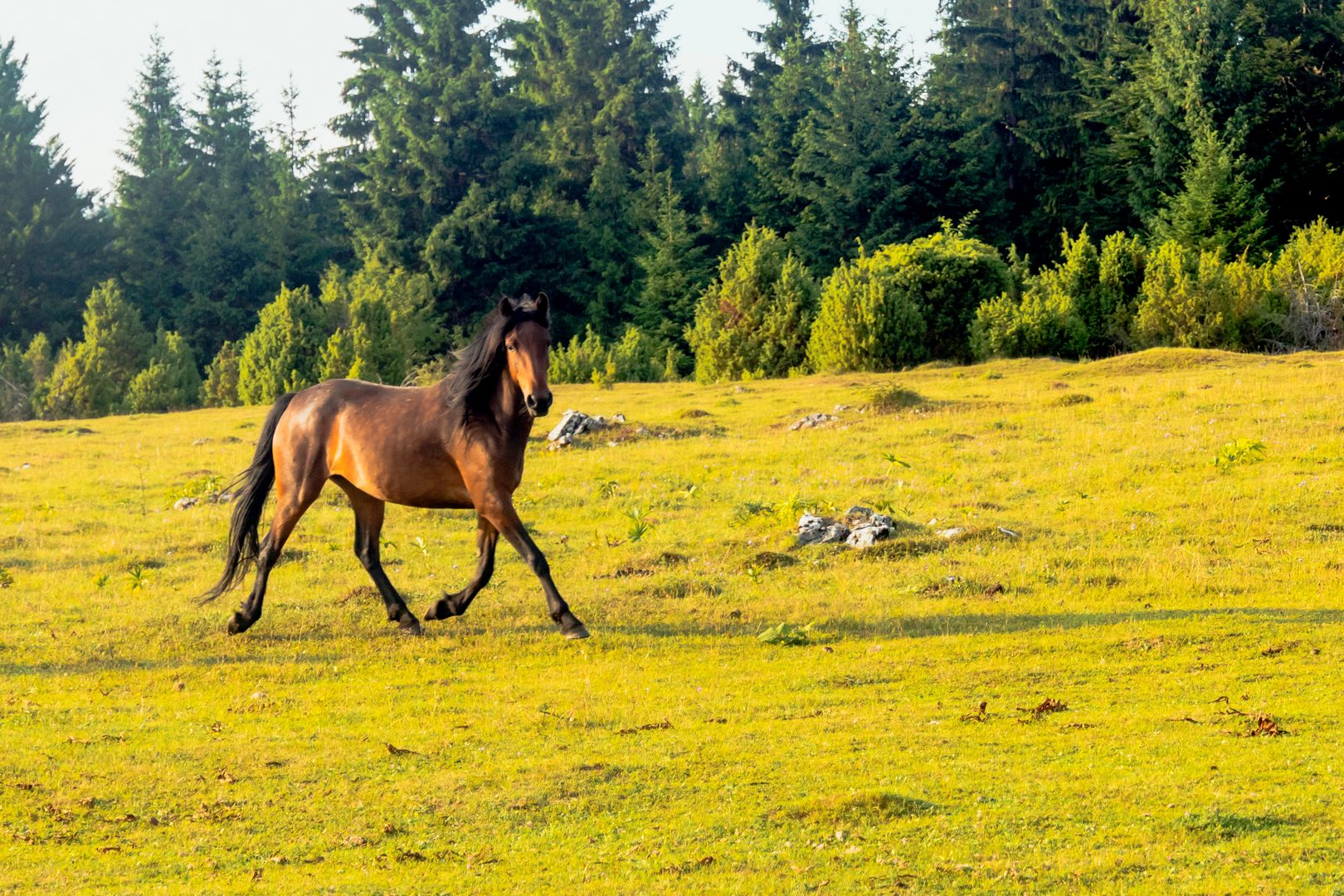
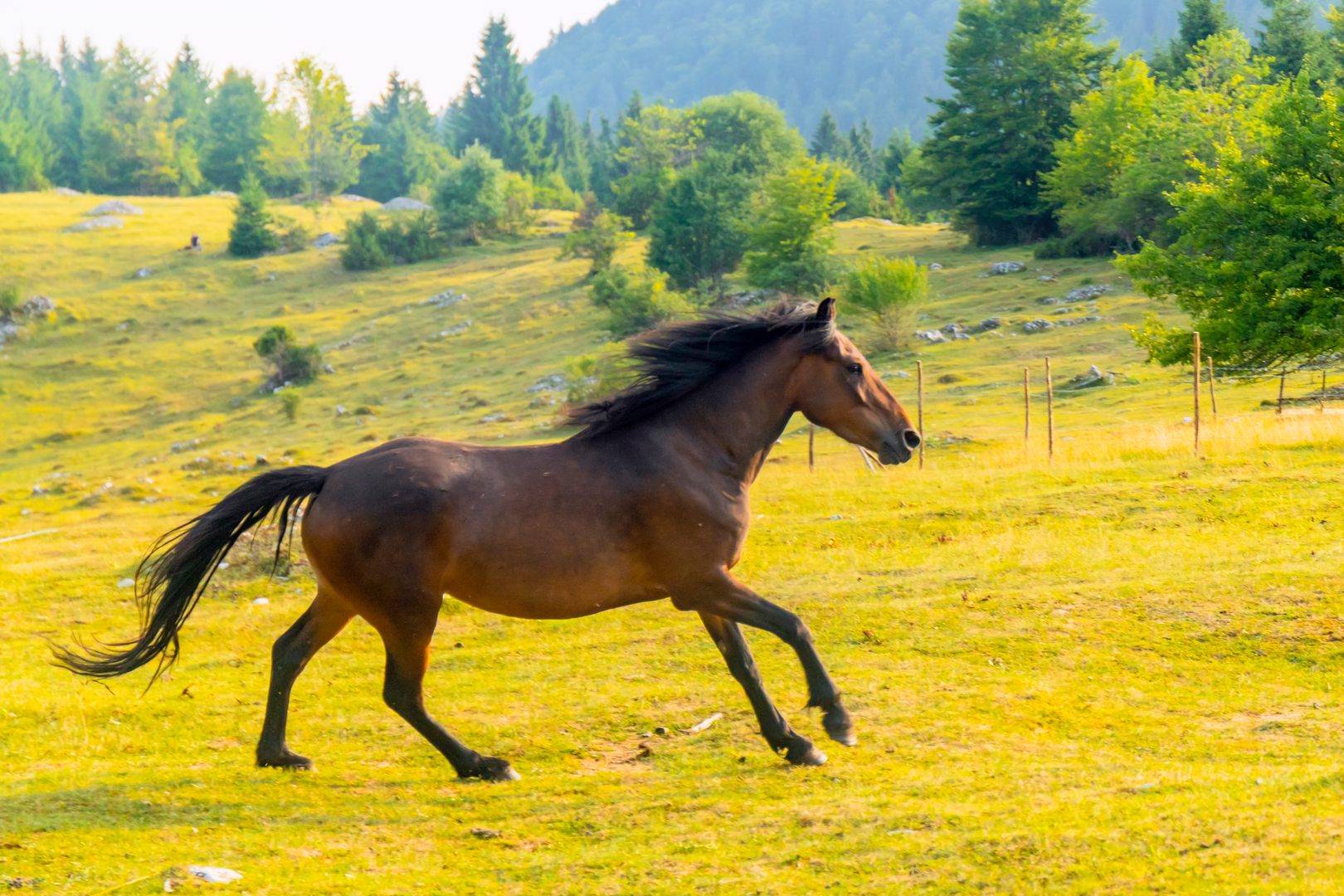
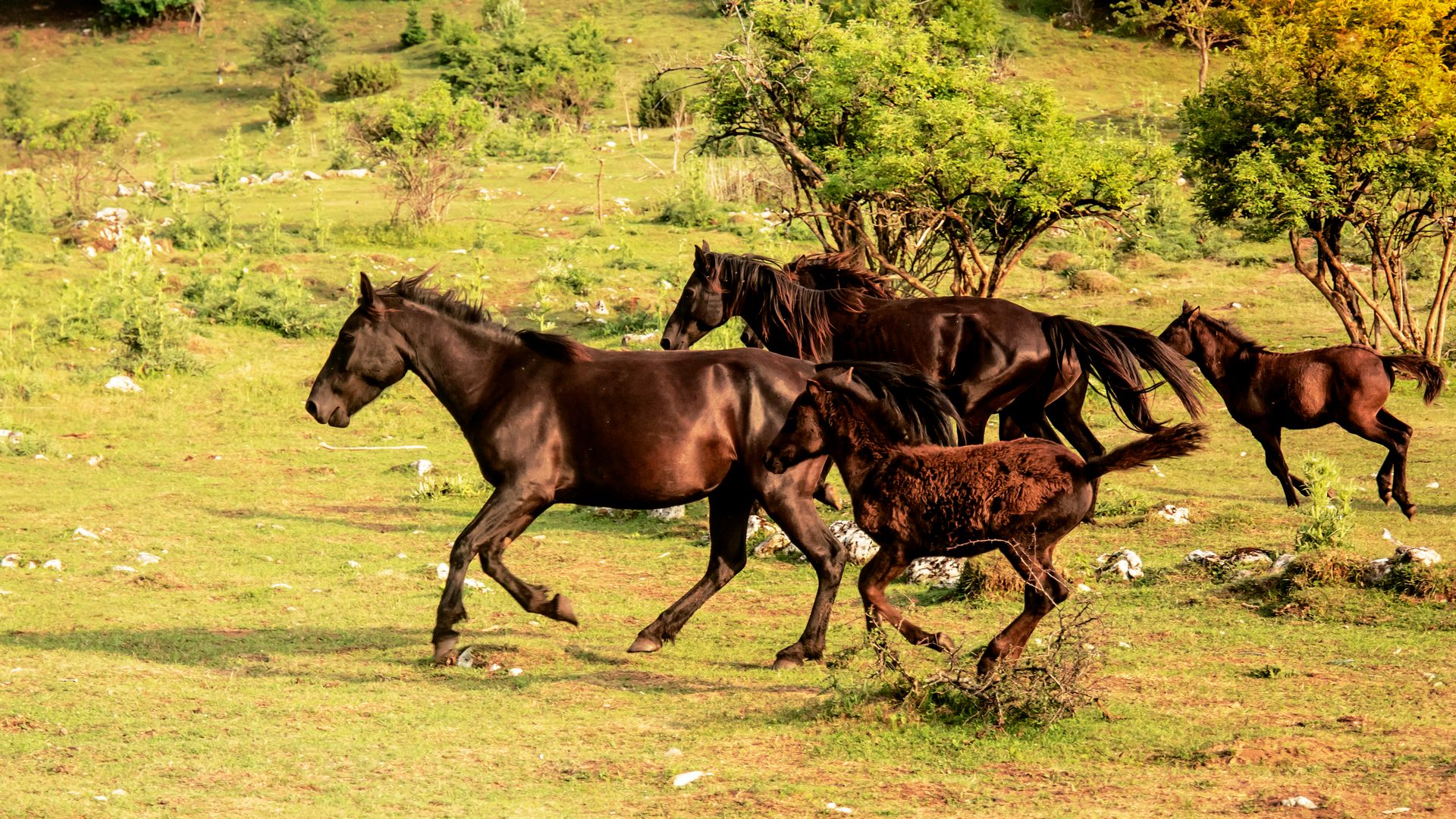
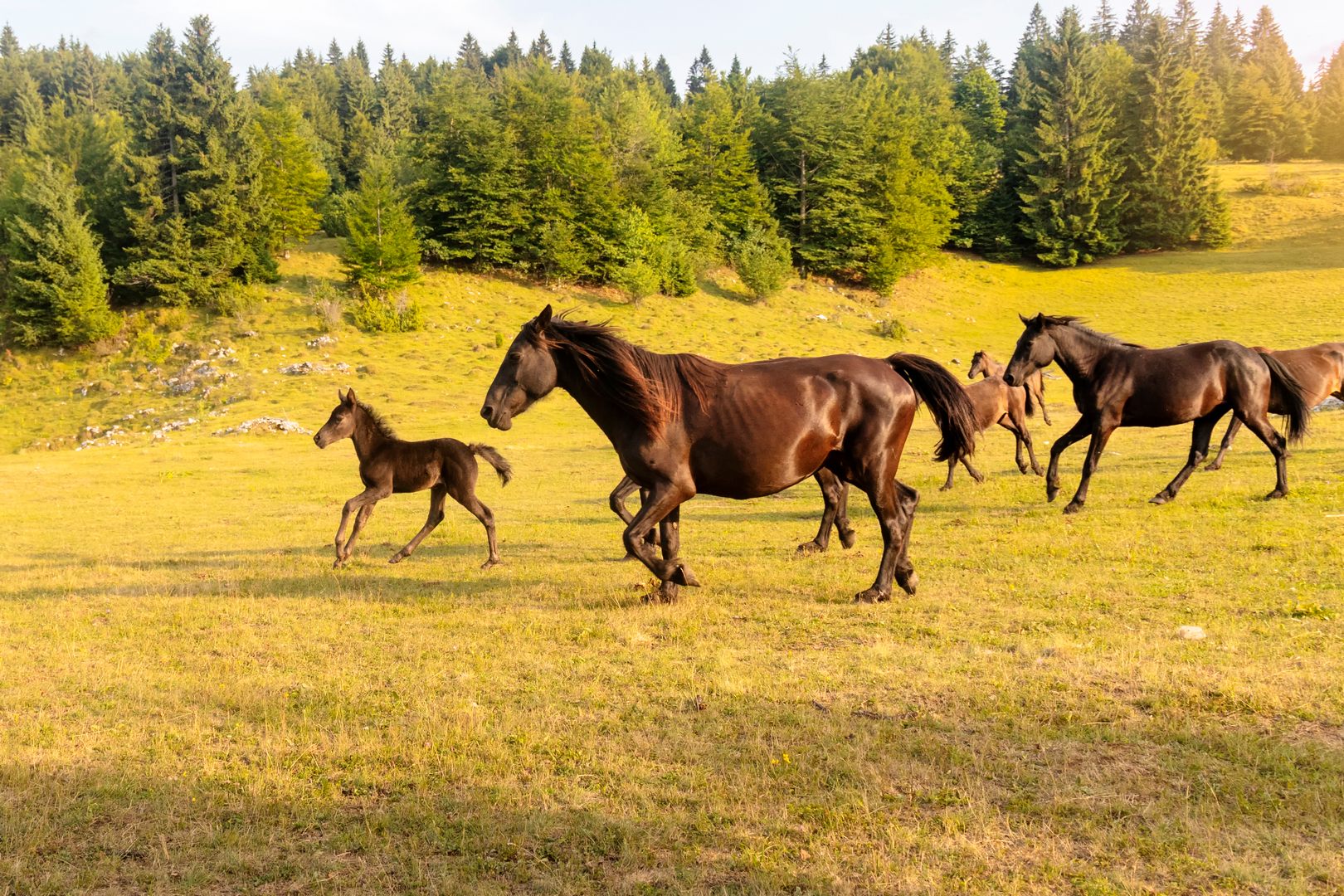
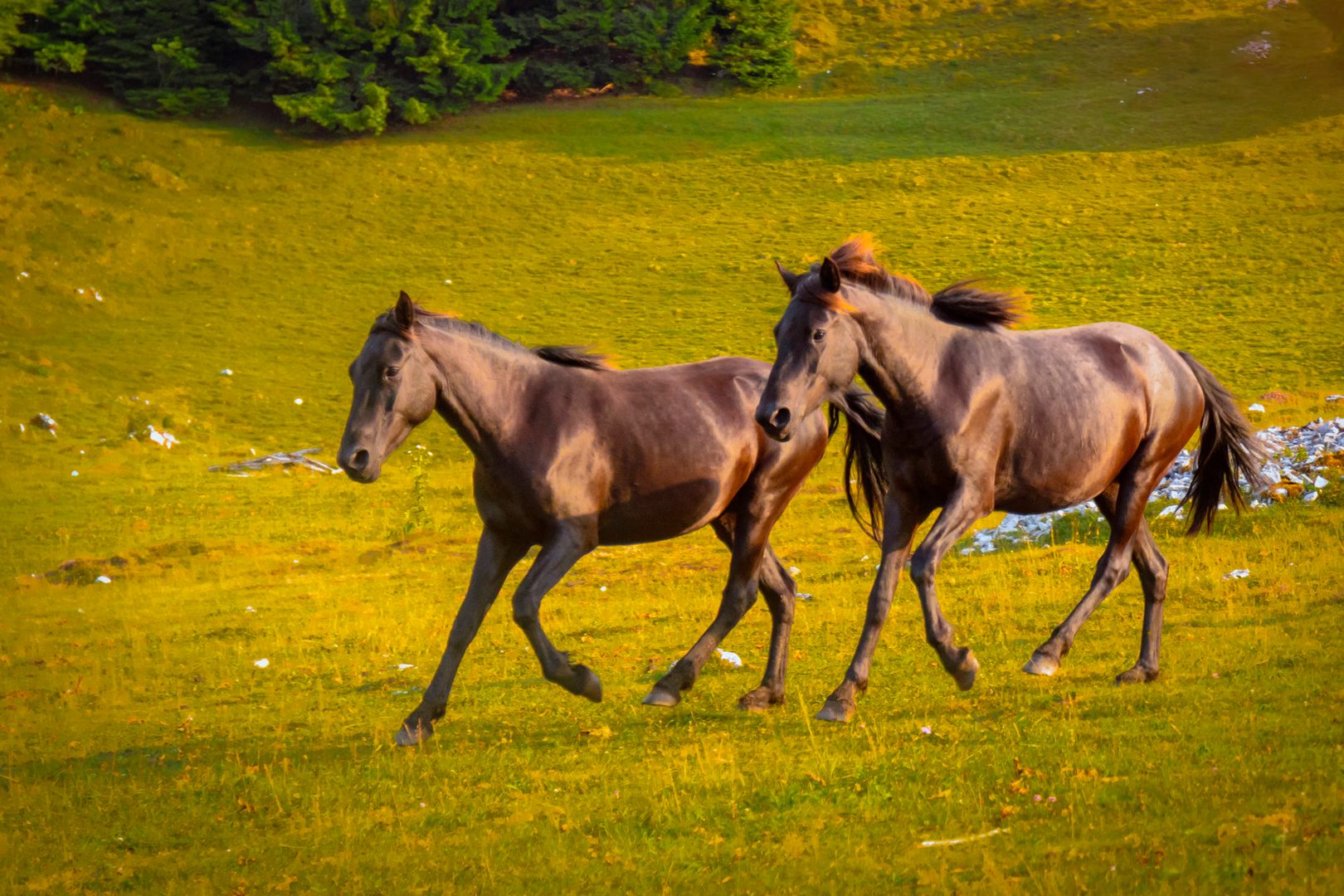
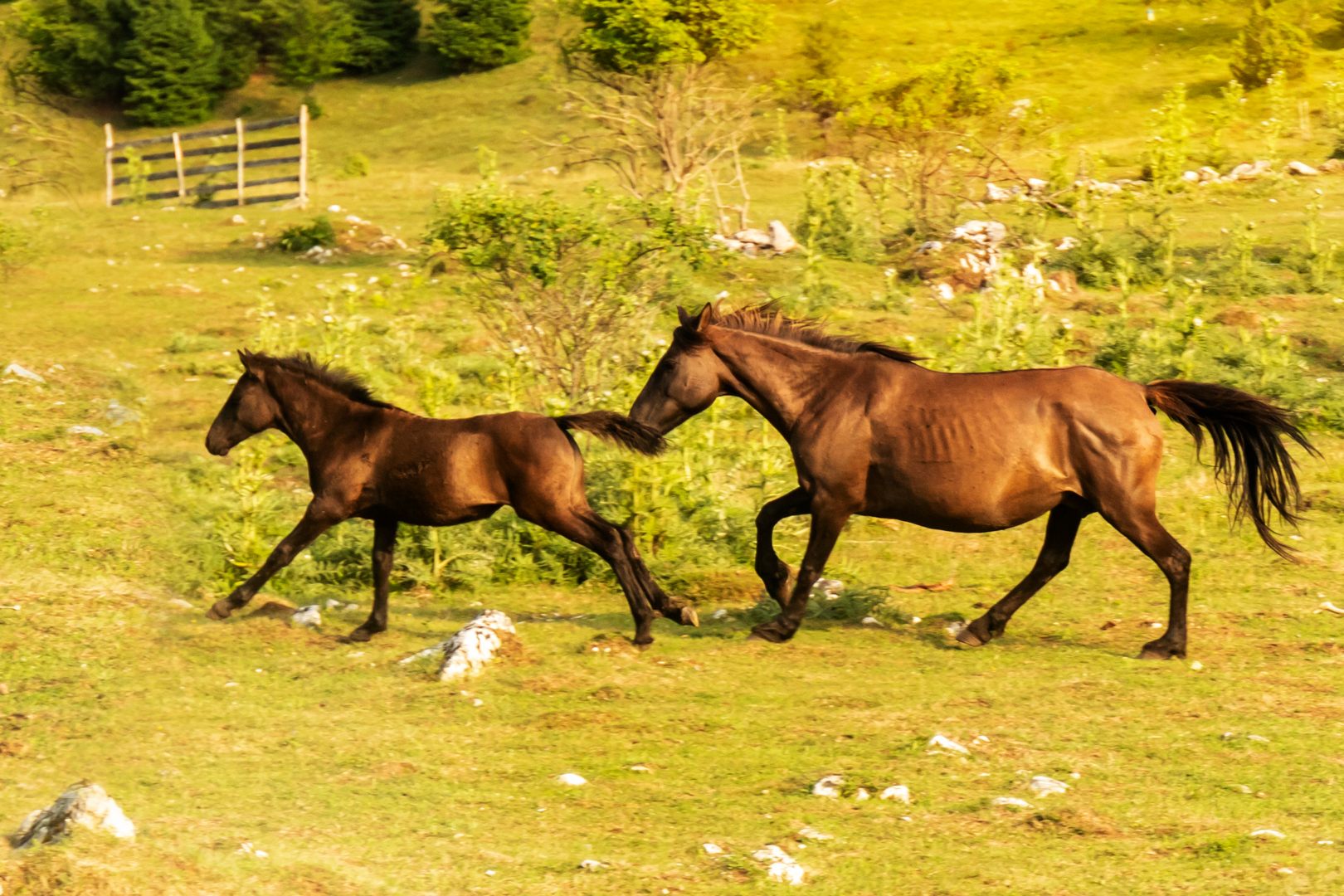
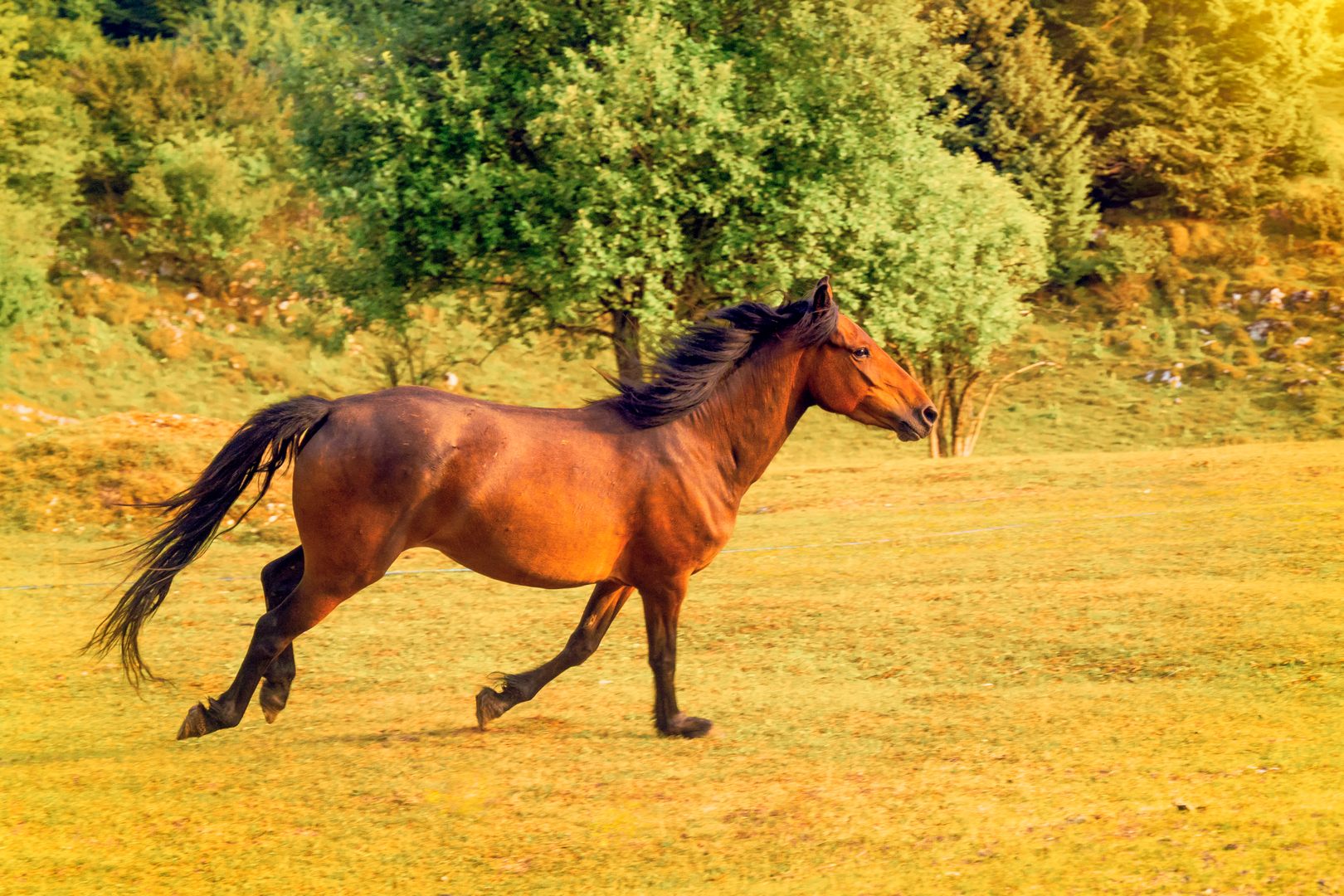
Mostly brown to dark brown colors, rarely also foxes, gray (not wanted in the offspring) and black horses; rare and sought after: fawn; no pintos; hardly any badge.
Height approx. 130-144 cm (in Germany also larger due to the good rearing conditions, so up to now a height of up to 147.5 cm applies)
Desired is the appearance of a frugal and strong mountain horse
In terms of body structure, the bonsiake shows itself as follows:
medium-sized and expressive pony head with a broad forehead, expressive and dark eyes; correct teeth and large nostrils; strong and well-formed neck; the shoulder is strong and sloping; broad chest; partially less prominent withers; broad and very well muscled rather short back; muscular and wide, sloping croup with a low tail base; lush and dense long hair; Relatively short, strong and lean limbs with a cannon bone circumference of up to 18 cm, and very hard and sufficiently large hooves.
Gaits: Basic gaits, harmonious walk and trot, good canters with a lot of drive from behind. The movement sequence should be rhythmic and economical with a lot of sure-footedness.
In the region of origin there is no longer any state breeding, the stock went to private individuals, the current number of Bosniaks there can only be estimated. There are Bosniaks in Germany and also in the rest of Europe, the population is estimated to be severely endangered.
The Bosnian mountain horse is considered a so-called autochthonous horse breed, ie it has been proven to have been at home in the former Yugoslavia (Bosnia and Herzegovina) for around 2600 years.
It has long been recognized that the Bosniak is a distant descendant of the Tarpan and Przewalski’s horse.
Due to the incursions of Huns, Avars and Magyars, whose horses remained in “captivity” after the battles, these steppe horses (descendants of Tarpan and Przewalski horses) mixed with the local breeds. This contributed to the high quality of the domestic horse.
With the development of trade between Bosnian and Dalmatian towns, loads were transported on long lines of enduring horses. At that time such trains could count up to a thousand animals.
With incursions and attacks by the Ottoman army against Bosnia and Herzegovina, oriental horses came to Bosnia. The Arabian horse was the dominant breed.
The majority opinion of the experts is that today’s Bosniak was created by crossing Arabs into the native breeds. For centuries, the Bosniak made up about half of the entire horse population in Yugoslavia. Around 1900, 240,000 horses, donkeys and mules were counted.
This multitude of horses was at home in the karst region of what is now central Yugoslavia, where the harsh winter lasts about half a year. The main rock types are chalk, Jura, Triassic limestone, dolomite, red sandstone and quartzite. The vegetation depends on these soil conditions: on the slopes and in the heights, extensive forests, consisting primarily of oak, ash, beech and hornbeam, as well as extensive pastures rich in herbs.
Because of the Bosnian war (1992-1995) the breeding there was broken up. In the 20 years before that, however, more than 3000 animals were imported to Germany.
The simple way of life and the frequent use as a mountain and mountaineering horse by the military (until 1992) and as a draft animal in the forest and in agriculture have always kept this breed a sure footing, even under heavy loads.
Today there is no longer a military stud, which means that the state has no interest in pure breeding and preservation of the mountain horse.
The former state stud in Borike is now in private hands. Of the 80 purebred mountain horses in 2013, only 14 exist today. The international breeders’ association based near Ljubljana is trying to genetically record horses of the original type and, if possible, get them out of Bosnia.
While we commonly refer to this breed as the Bosnian Mountain Horse, it is internationally classified as a pony. These are pack, draft and riding horses. They are compact in build, resistant to disease, have a strong body and great endurance. As a “child” of rough nature and strict natural selection, they are also very well adapted to the climate of the respective region. They move quickly, extremely skilfully and agilely even in the most impassable mountains and carry a wide variety of loads and riders. Alert and confident, Bosniaks are undemanding when it comes to food and shelter, always lively but at the same time alert and ready to do whatever is expected of them. Such achievements require firm hooves, strong legs and a sure footing,
In nature they are hard, persistent and undemanding, always obedient and willing to work; spirited but balanced; instinctive with good sense of direction; intelligent and affectionate; suitable as a children’s riding pony only with solid training. If the rider and horse are well trained, stallions are also suitable for high school.
In the case of long and intensive exertion, such as in endurance sports and on long trail rides, it is essential to put value on solid and thorough grooming and on tried-and-tested, high-quality equipment.
Various competitions emerged early on, in which the characteristics of the Bosniaks made themselves felt positively. In 1893 there was a distance race over 288 kilometers, in which Bosniaks took the top spots.
“Mountain riding” was included in the competition calendar in 1912 and 1913, with which the native horse was supposed to demonstrate its true strengths. Distances of around 10 to around 30 km with large differences in altitude (around 300 m) had to be overcome as quickly as possible. In the 1930s, other races, some of which were difficult, were even supported by the government with prizes.
In the area of origin there are now about 200 animals, only a small proportion of which are in the studbook, the breed is considered extremely endangered.
In Germany there are currently around 40 animals, not all of them are registered in a breeding association. In December 2014, two more purebred Bosniak mares could be imported to Germany from the region of origin, one of them pregnant. The birth of a colt was uncomplicated and is seen as an important step in the preservation of the Bosniaks in Germany.